
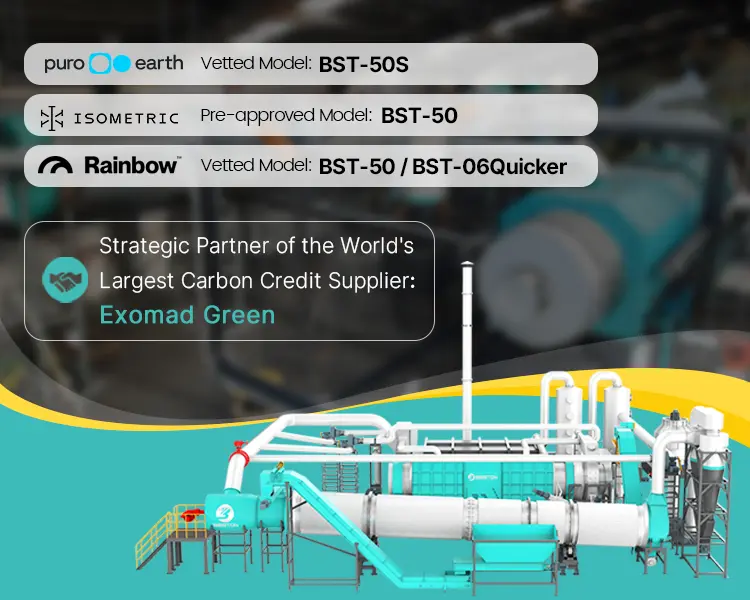
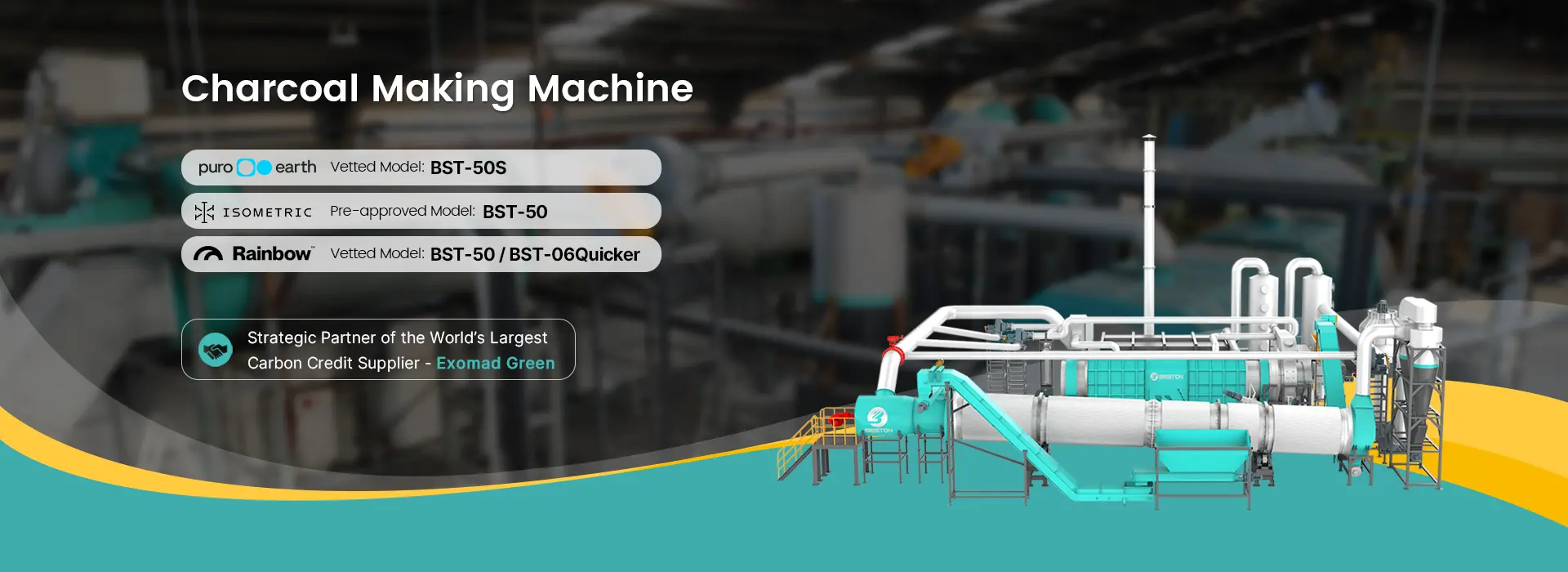
Charcoal making machine provides a cutting-edge solution for efficient biomass recycling. As a technology partner of Puro.earth & Isometric, our equipment meet the highest standards in carbon sequestration, contributing to biochar carbon removal projects. With a proven track record of successful project worldwide, Beston charcoal machine not only enhances environmental sustainability but also creates additional income opportunities for customers by utilizing biomass waste efficiently.
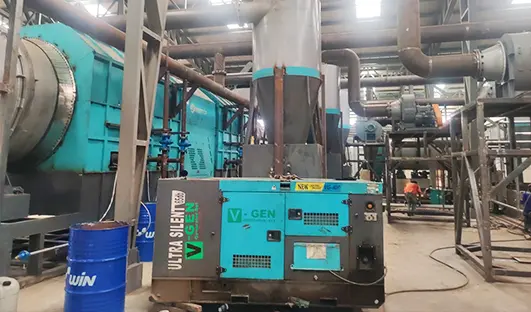
Successful Case: Shisha Charcoal Production Project in Southeast Asia
Project Information
- Project start date: July 1, 2023
- Commercial operation date: July 31, 2024
- Configuration: Feedstock pretreatment system + pyrolysis system + forming system
- Feedstocks: Coconut shells, palm shells, rice husks
Project Status
Since delivery in July 2024, the equipment has been operating smoothly:
- Operating performance: Processing capacity of up to 3 tons per hour, enabling continuous operation at 5×24 hours
- Project impact: Created 30 local jobs and contributed to local economic development


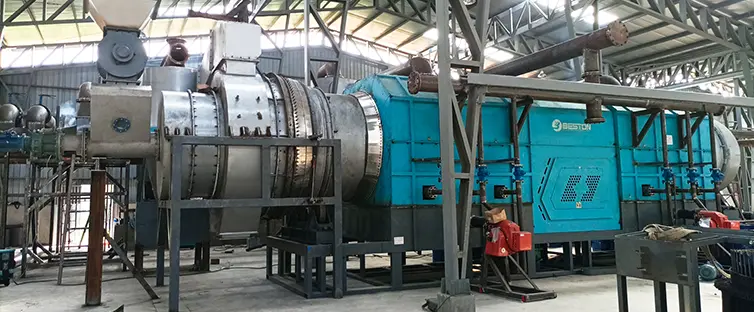
Models & Parameters of Charcoal Making Machine
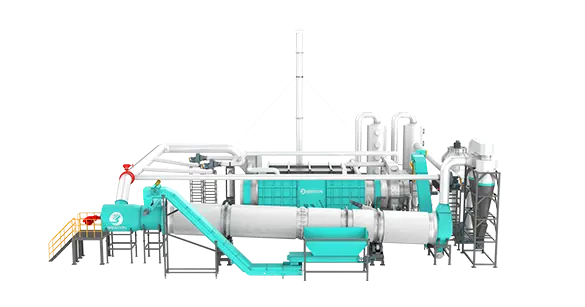
BST-50: Industrial-scale Model
- Vetted by Puro.earth, Rainbow, pre-approved by Isometric
- 6,000 tons biochar production annually
- 7200H/Y stable&safe operation
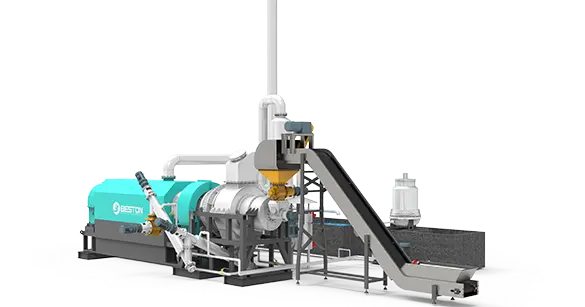
BST-06Quicker: Pilot-scale Model
- Vetted by Rainbow
- 8-hour rapid installation and deployment
- Movable design allowing 8-hour disassembly and reassembly
| Model | BST-50 Standard | BST-50 Max | BST-50S | BST-06 Quicker |
|---|---|---|---|---|
| Operating Mode | Continuous | Continuous | Continuous | Continuous |
| Application | Commercial-scale | Commercial-scale | Commercial-scale | Pilot Testing |
| Certification Platform | Isometric, Rainbow | Isometric, Rainbow | Puro.earth, Isometric, Rainbow | Rainbow |
| Reactor Material | Staineless Steel 304 | Staineless Steel 304 | Staineless Steel 310s | Staineless Steel 304 |
| Feedstock Moisture | Below 15% | From 15% to 55% | From 15% to 55% | Below 15% |
| Feedstock Size | 5-20mm | 5-20mm | 5-20mm | 5-20mm |
| Feeding Capacity (only for pyrolysis) | 10-15m³/h | 10-15m³/h | 10-15m³/h | 100-200KG/H |
| Max. Pyrolysis Temperature (Combustion Chamber) | 650℃ | 650℃ | 700℃ | 650℃ |
| Residue Retention Time | 15-20 minutes | 15-20 minutes | 15-20 minutes | 15-20 minutes |
| Operating Pressure | -20 - 0 pa | -20 - 0 pa | -20 - 0 pa | -20 - 0 pa |
| Cooling Method | Water | Water | Industrial Refrigeration Units | Water |
| Exhasut Gas Treatment | Standard | Standard | High Performance | Standard |
| Biochar Temperature | 45℃ | 45℃ | 45℃ | 45℃ |
| Annual Operating Hours | >7200hrs | >7200hrs | >7200hrs | >7200hrs |
| Service Life | 5-8 years | 5-8 years | 8-10 years | 5-8 years |
| Land Space Required (L*W*H*m) | 35*15*8 | 65*15*8 | 65*15*8 | 35*15*8 |
| Power Consumption | 121kw/h | 270-288kw/h | 270-304kw/h | 25.1kw/h |
| Water Consumption | 5-7m³/day | 5-7m³/day | 0 | 3-5m³/day |
| Fuel Consumption | 220-260m³/h | 220-260m³/h | 220-260m³/h | 30-50m³/day |
| Installation Period | 60 days | 60 days | 60 days | 7 days |
Triple Technical Endorsement of Charcoal Machine Creates Value for CDR Projects
Choosing the right charcoal making machine can make or break a carbon dioxide removal (CDR) project’s path to certification. Equipment that has passed third-party review means fewer obstacles. Beston’s BST-50 series and BST-06Quicker have earned technical endorsements from three organizations. Together, these give developers a documented head start on compliance, cost, and market positioning.



Technical Compliance Assurance
- Proven Equipment Performance: The combustion system, emission controls, and biochar quality of biochar machine have passed technical review. It runs stably and meets carbon sequestration standards.
- Seamless Data Traceability: The equipment works with dMRV systems. Its output data traceability and batch consistency are pre-approved, so verification runs smoothly.
Save Time and Money
- Lower Verification Costs: Standard projects often pay a third party for a separate technical report. With the BST-50, owners can reference existing evaluation results and skip that cost.
- Faster Path to Carbon Credits: Pre-approved equipment lets projects skip technical verification. Owners go straight to certification, so credits arrive sooner.
A Stronger Market Position
- Investor Confidence: Projects can cite evaluations from Puro.earth, Isometric, and Rainbow in financing materials. This is third-party proof of technical credibility.
- Buyer Shortlist Access: Credit buyers often screen for equipment endorsed by recognized bodies. Using the BST-50 helps projects reach shortlists and secure long-term offtake agreements.
Dual Technological Innovations in Charcoal Making Machine
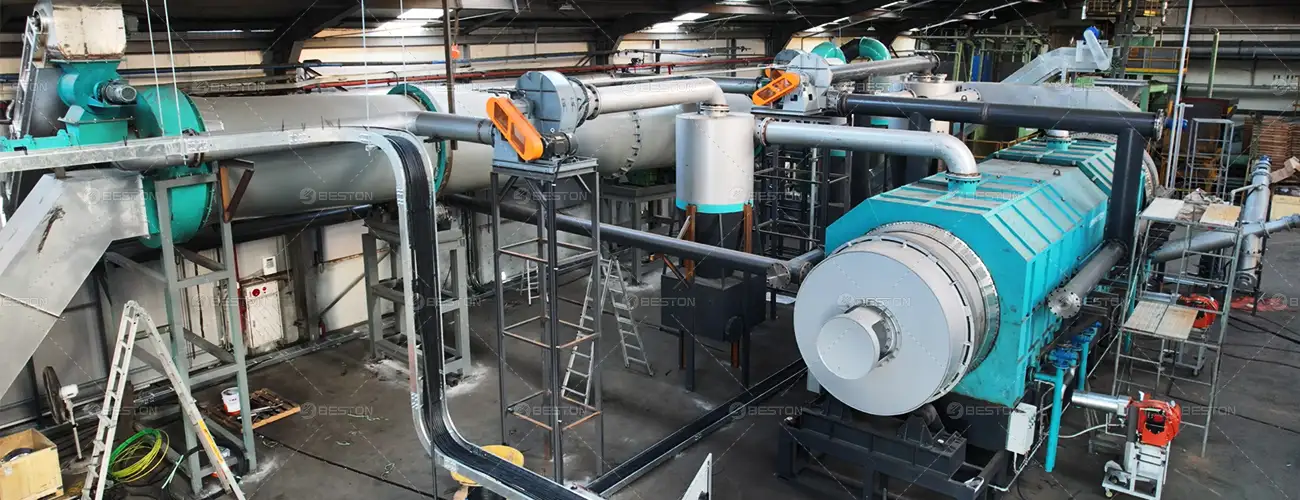
Tar Dust Self-cleaning System
7200H/Y Stable Operation
This technology ensures charcoal machine does not form blockages, thereby achieving continuous operation with excellent performance.
- Insulation: Synergistic insulation prevents volatile organic matter (tar & wood vinegar) from condensing and clogging the system.
- Dust removal: The purge system prevents carbon dust from accumulating in key parts of the system and clogging the system.
Dual-cylinder Rotary Core Kiln
10+m³/h Processing Capacity
Unique dual-cylinder furnace structure enables multi-stage carbonization, which greatly improves operating efficiency of biochar pyrolysis machine.
- Inner cylinder performs intensive drying of the raw biomass to optimize moisture content.
- Outer cylinder carries out complete pyrolysis, maximizing carbon conversion efficiency and biochar yield.
Which Feedstock Fits Your Charcoal Machine?
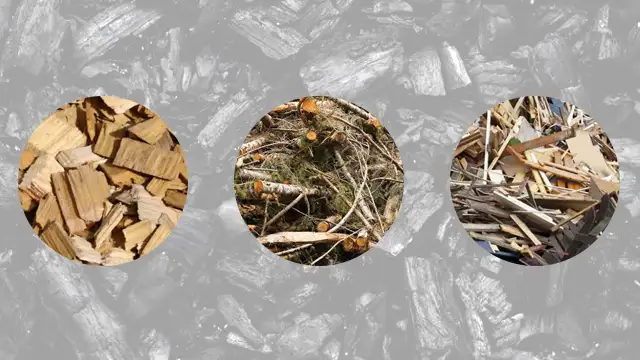
Woody Biomass
Common sources include sawmill offcuts, forestry thinning residue, waste wood products generated from wood processing and forestry.
Key Features
- Wood products may contain coatings, adhesives, or other impurities require feedstock screening
- Forestry and land-clearing residue often contains higher moisture and may require additional drying.
- Forest-derived biomass may require FSC or other sustainability certification for CDR projects.
Agricultural Residue
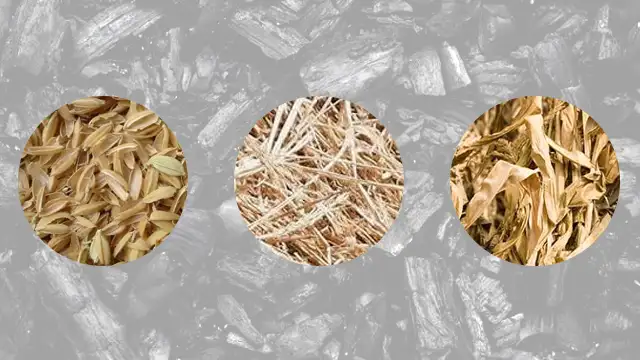
Common feedstocks include rice husk, straw, corn cobs, and jute sticks collected after crop harvesting.
Key Features
- High ash and silica content increases requirements for dust collection and emission control equipment.
- The low bulk density of pesticide residues requires more storage space and higher transportation costs.
- Supply is often seasonal, so sufficient storage capacity is important for year-round operation.
Food Processing Waste
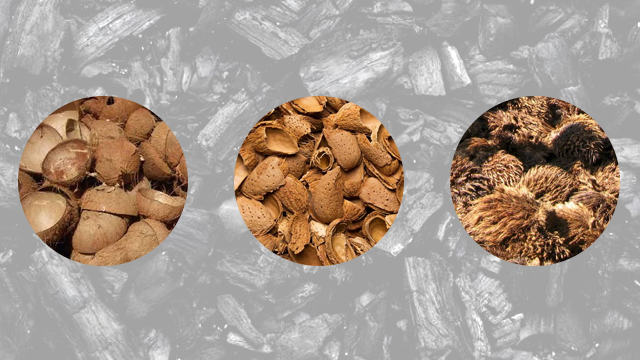
Typical feedstocks include coconut shells, palm kernel shells, empty fruit bunches, and other hard shell byproducts from food processing.
Key Features
- High lignin content supports premium charcoal quality with excellent fixed carbon content.
- Non-uniform particle sizes of nutshell fragments may lead to poor feed flow and uneven localized heating.
- High-volume, stable supply from concentrated factory output, suitable for large-scale continuous processing.
Charcoal Test Reports from Different Raw Materials
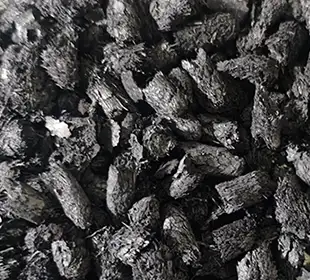
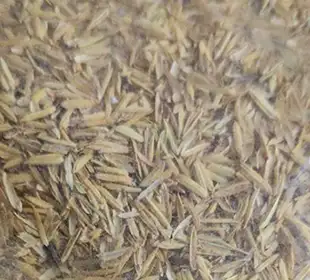
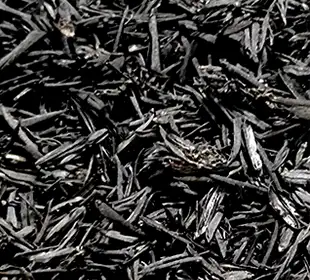
Charcoal quality depends on more than one number — feedstock type, carbonization process, and equipment all shape the final product. Among various parameters, fixed carbon content is one of the most important indicators for measuring charcoal quality. Below are lab test results for 4 common feedstocks processed through Beston factory laboratory.
Wood Chips

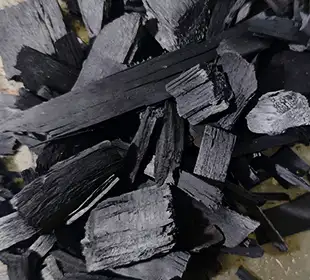
Coconut Shells

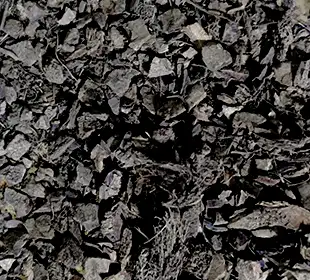
EFB Pellets

Rice Husk
Note:
- All figures above are derived from laboratory-scale pyrolysis testing under controlled conditions, not full industrial-scale production runs.
- Fixed carbon content varies by feedstock origin, moisture content, and pre-treatment — actual results on your raw material may differ from the figures shown.
- Higher fixed carbon content generally corresponds to higher calorific value and longer burn time, both key factors in charcoal pricing and end-use suitability.
- Have a feedstock not listed here? Contact our team to request a test run on your specific raw material.
Diverse Application of Charcoal in Various Industries

Agriculture & Forestry
- Soil Conditioner: Charcoal can improve soil water retention and nutrient supply. In addition, it not only increases soil organic matter, but also improves soil aeration. It helps the growth of plant roots.
- Seedling Substrate: Used as substrate, charcoal enhances plant disease resistance and growth rate. It promotes oxygen exchange in the roots of seedlings, which is beneficial to growth.

Construction Industry
- Building Materials Additive: Charcoal improves the durability and compressive strength of concrete, bricks and cement mortar. In addition, it improves the thermal insulation properties of buildings.
- Pavement Materials Additive: Charcoal improves the durability and crack resistance of pavement. Thus, it makes asphalt more resilient in the face of temperature changes and high traffic loads.

Animal Husbandry
- Feeding Additive: Charcoal improves the nutritional efficiency of feed while promoting intestinal health. More importantly, charcoal helps reduce methane emissions from rumen animals.
- Bedding Additive: Charcoal absorbs moisture and maintains a dry environment, reducing the growth of odors. In addition, this reduces the spread of pathogens and extends the life of the bedding.

Traditional Industry
- Industrial Fuel: Charcoal has high energy density and stable combustion properties. This makes it a preferred alternative fuel in energy-intensive industrial processes.
- Smelting Reducing Agent: Wood charcoal is often used as a reducing agent. By replacing traditional coke, it effectively reduces the energy consumption of traditional smelting processes.
Step-by-Step Working Process of Charcoal Machine
01 Raw Material Pretreatment
- Crushing: Raw materials are crushed to less than 20mm to ensure uniformity and smooth flow. Larger fragments are screened out.
- Drying: The moisture content of the raw materials is reduced to below 15%. Excess moisture can lead to unnecessary energy consumption during the charcoal manufacturing process.
02 Pyrolysis
- Water Evaporation: The biomass begins to lose water as temperature rises.
- Volatile Substance Release: Between 200℃ and 500℃, biomass decomposes and releases volatile gases, which are used to heat the charcoal making machine reactor.
- Charcoal Formation: When the temperature exceeds 500℃, the release of volatile substances decreases, and carbon components in the biomass are converted into charcoal.
03 Combustible Gas Utilization
- Gas Collection: After dust removal, the combustible gases are collected and directed back into the combustion chamber as fuel. Insulated systems prevent the formation of tar and wood vinegar, which can clog pipes.
- Excess Gas Burning: Any excess combustible gas is directed to the exhaust combustion chamber for further burning.
04 Flue Gas Recovery
- Air Preheating: High-temperature flue gases are used in an air-to-air heat exchanger to preheat the air for the burner, improving combustion efficiency.
- Material Drying: The remaining flue gases are directed to the drying furnace, where they are used to dry the raw materials, reducing energy consumption.
05 Discharge
06 Exhaust Gas Treatment
The Business Case for Charcoal Making Equipment
1. For Carbon Credit Developers
2. For Traditional Manufacturers
3. For Agricultural & Processing Operators

1. For Carbon Credit Developers
A biochar project’s investment case rests on two things: whether the technology itself is proven, and whether the market actually pays for the credits it generates.
- Technology leadership: Biochar carbon removal is rated TRL 8–9 under IPCC-referenced assessments. It’s the highest readiness level of any CDR pathway, with hundreds of production facilities already operating commercially.
- Proven demand: Biochar made up roughly 86–90% of durable CDR credits actually delivered globally in 2024–2025. Microsoft’s 1.24-million-tonne deal with our partner, Exomad Green, in 2025 set the record for corporate biochar procurement.

2. For Traditional Manufacturers
Biochar’s use as a fossil fuel and reductant substitute in metallurgy and construction materials is well established. What determines ROI is the carbon cost math — both the expense avoided and the premium captured.
- Carbon tax avoidance: EU ETS allowances trade near €72/tCO2, and Q1 2026 CBAM certificates are priced at €75.36/tCO2. Every tonne of fossil carbon displaced translates into a quantifiable cost avoidance, not just an environmental talking point.
- Green premium: Suppliers who can document verified emissions cuts are increasingly able to command premium pricing under CBAM-linked procurement. It’s a factor can determine whether an exporter stays on a customer’s approved supplier list.

3. For Agricultural & Processing Operators
Waste disposal is shifting from a low-cost routine task to an increasingly restricted, expensive liability. This shift is the starting point for this equipment’s payback logic.
- Getting ahead of compliance: Open burning is now restricted or banned worldwide. Because of potential NOx and CH4, landfilling and composting face tightening rules too. Worse still, the penalties for violations are becoming increasingly severe.
- Turning disposal cost into revenue: Instead of paying to haul away or landfill waste biomass, process plants can convert it on-site into charcoal products with resale value. It turns a recurring expense into a revenue line, while cutting the accumulated pressure.
Technical Highlights of Charcoal Making Machine
Advanced Combustion System
- Methane Control: The closed combustion chamber of carbonization furnace keeps methane emissions exceptionally low (<0.1% of the carbon stored in charcoal).
- Low-Nitrogen Combustion: Equipped with a low-nitrogen combustion burner, nitrogen oxide emissions are minimized, representing less than 1% of the carbon stored in charcoal.
Precise Temperature Control
- Centralized PLC Control: Precise regulation of temperature, pressure, and airflow ensures optimized control of key process parameters.
- Variable Frequency Fan Application: Adjustable airflow and gas velocity enhance pyrolysis uniformity and thermal efficiency of the charcoal machine.
Safety Guarantee
- Explosion-Proof Design: Charcoal making machine features explosion-proof holes and seals that prevent safety hazards caused by excessive system pressure.
- Dynamic Sealing: A multi-layer sealing system, combining various materials, ensures better sealing, preventing gas leakage and improving overall safety.
Strict Emission Control
- Multi-Stage Dust Removal: A multi-stage cyclone dust collection system installed at the dryer, feed port, and piping effectively captures dust, ensuring a clean operational environment.
- High-End Exhaust Gas Treatment: Exhaust gases undergo multi-stage processes such as dust removal, adsorption, and desulfurization. This ensures that emissions comply with stringent EU standards.
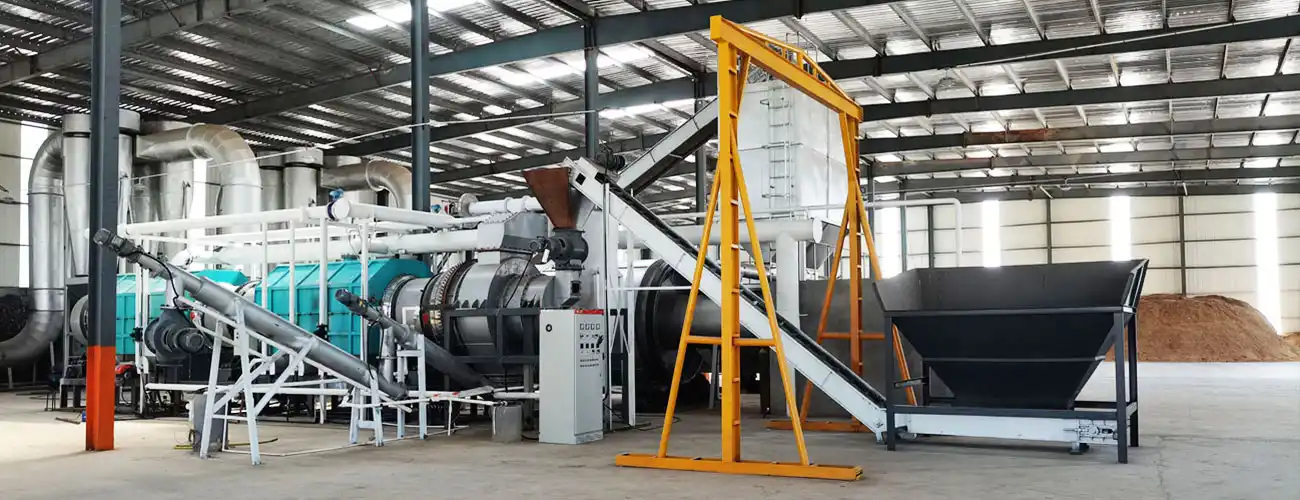
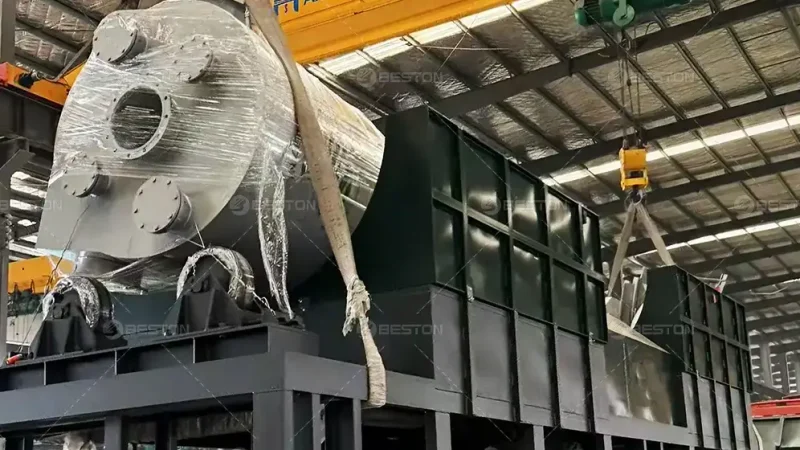
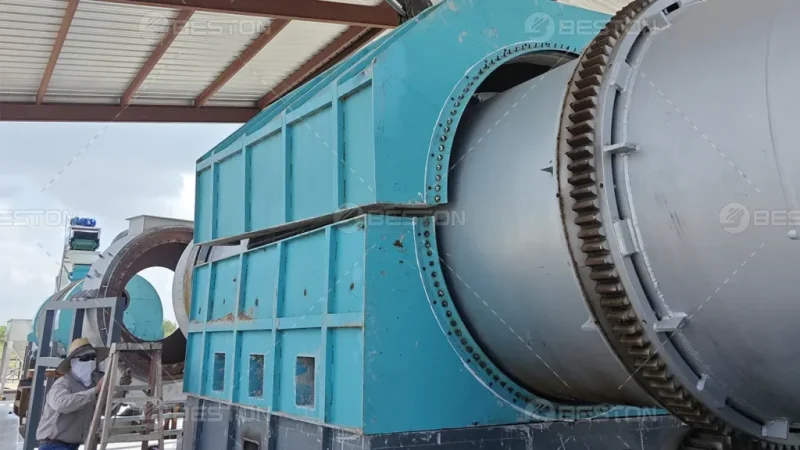
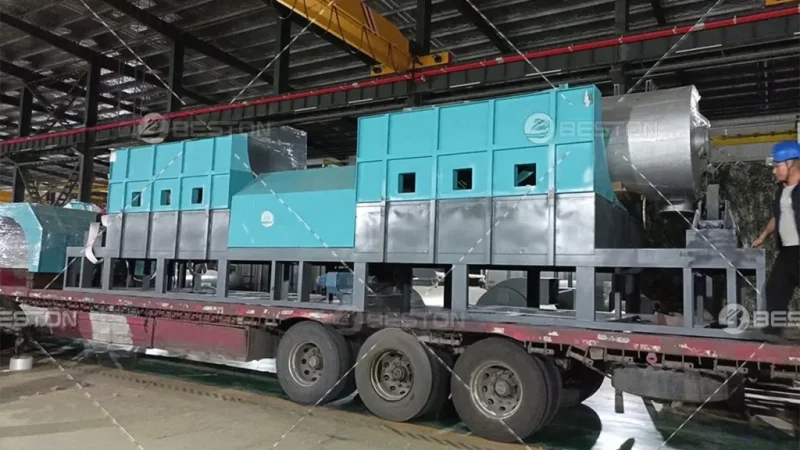
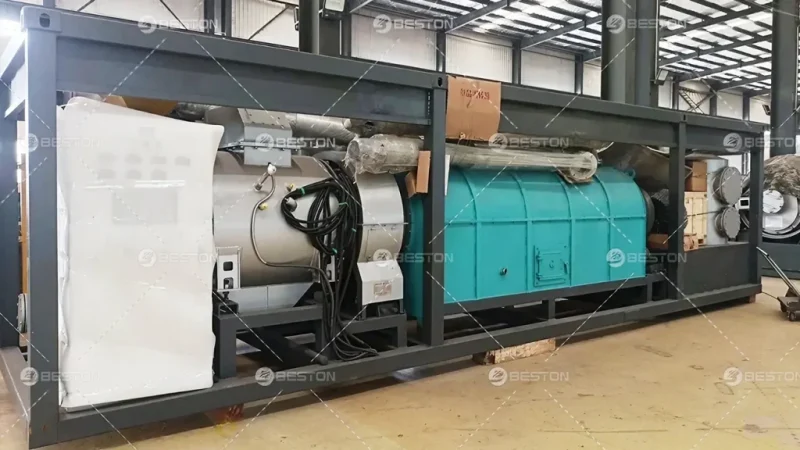
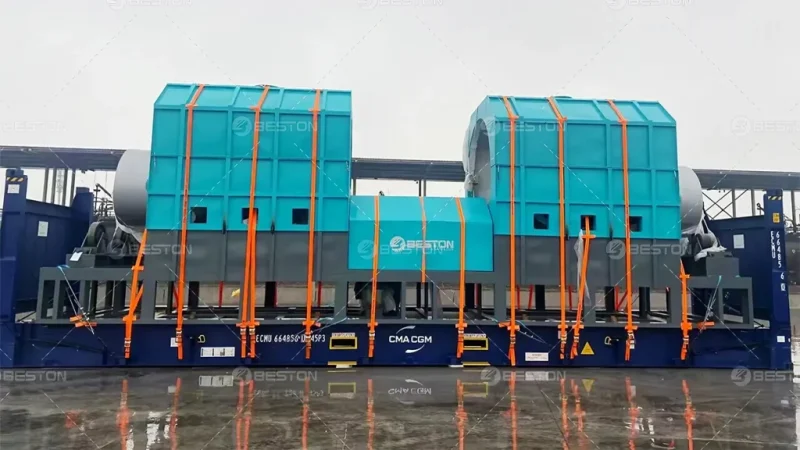
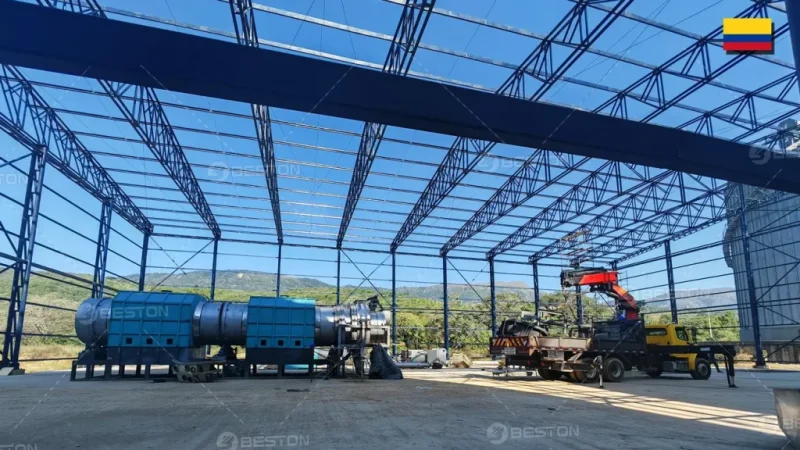
Projects of Beston Charcoal Machine All over the World





Partner with Beston Group
By partnering with Beston Group, businesses gain access to state-of-the-art charcoal making machine designed for efficient and sustainable biomass recycling. Our expertise in advanced pyrolysis technology and global presence ensures customers can maximize their resource recovery while minimizing environmental impact. With our commitment to innovation and sustainability, you can confidently scale up your recycling operations and contribute to a greener future. For more news on carbon removal, follow us on LinkedIn.
