
Plastic recycling industry is at a fork in the road. On one side, production keeps expanding while recycling rates remain stuck; on the other, export routes are closing under new regulation, and chemical recycling has just won legal recognition for the first time. Mechanical and chemical recycling(Generally refers to pyrolysis) are the two main responses to this moment, but they were never simply a matter of which is “better.” The right choice depends on what the feedstock is, where the output ends up being sold, and who’s willing to pay for the environmental value created. That’s the question this paper sets out to answer.
Background of the Plastic Recycling Industry
Imbalance Between Production and Recycling
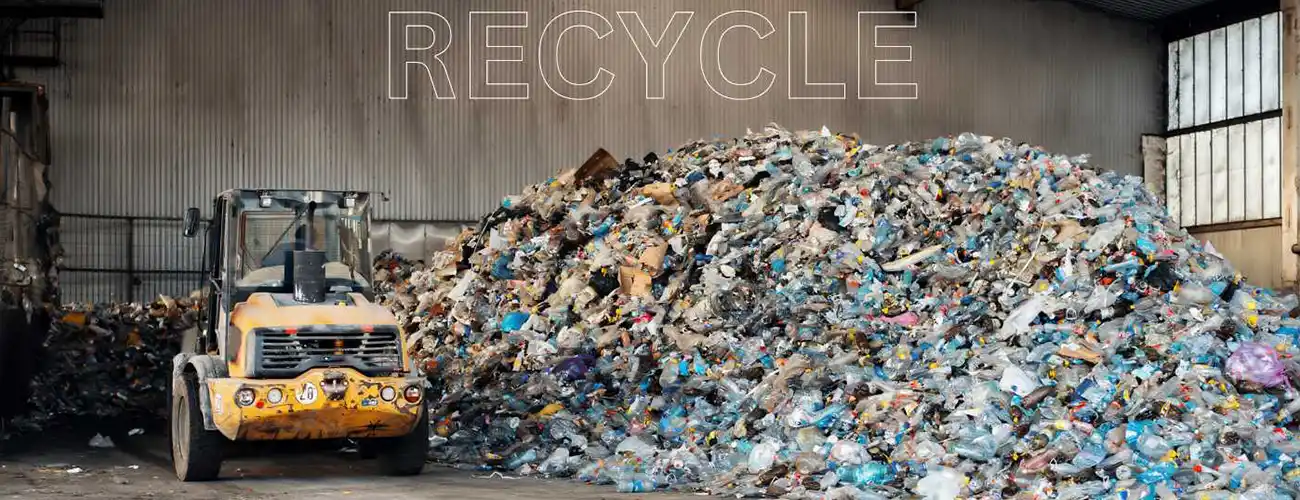
Global plastic production hit 436 million tonnes in 2023. Plastic trade now accounts for 5% of total global merchandise trade. But recycling hasn’t kept pace with this growth. Of all plastic waste worldwide, only 9% actually gets recycled, 19% gets incinerated, and nearly 50% ends up in landfills. The rest is either burned in the open or leaks directly into the environment. Here’s the bigger problem: recycled plastic only makes up just 6% of total plastic feedstock supply chain.
Plastic Recycling is Becoming a Climate Issue
Plastics generate 3.4% of global greenhouse gas emissions across their lifecycle. In 2019 alone, plastic-related emissions reached 1.8 billion tonnes, and 90% came from production and processing, not disposal. So if recycling can absorb more waste plastic and reduce the need for virgin plastic, it could meaningfully cut emissions at the source. That’s why policymakers now treat “which recycling technology to use” as a climate question, not just a waste management one.
Tightening Policy is Forcing a Turning Point
Starting in November 2026, the EU’s Waste Shipment Regulation will ban all plastic waste exports to non-OECD countries. And in late 2025, the European Commission took things further: it legally recognized chemical recycling as a valid method for counting recycled plastic content. Signal is clear, shipping out or just landfilling are closing off. Every country now needs a local solution. And right now, 2 technologies stand ready: mechanical recycling and chemical recycling.
Next, we will analyze the differences between the two routes and their respective capability boundaries from multiple dimensions.
Technical Principles: What Happens at the Molecular Level
Mechanical: Polymer Chain Keeps Wearing Down
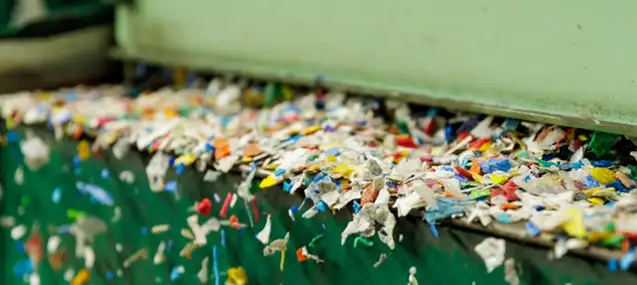
- Process: It follows a standard sequence—sort, shred, wash, dry, melt-extrude, and pelletize. This is purely a physical transformation. The plastic’s molecular chains stay intact and never break apart.
- Characteristic: Melt extrusion itself causes some thermal degradation. Every time the plastic passes through an extruder, the polymer chains break down a little more. That’s why recycled material loses mechanical strength with each additional recycling cycle. And this degradation is permanent—no downstream process can reverse it.
Chemical: Scission of Long-chain Polymer
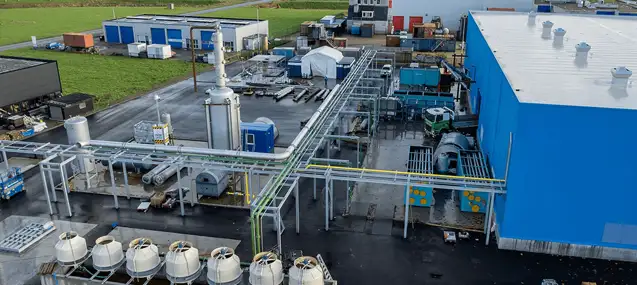
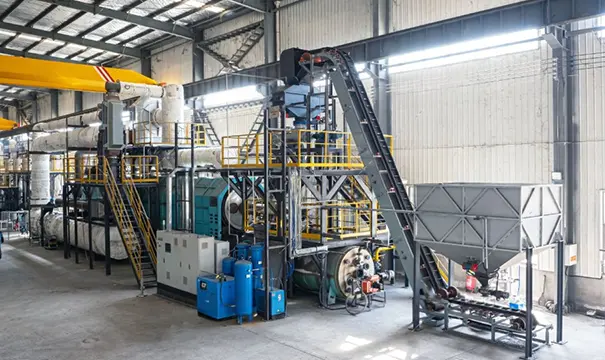
- Process: Waste plastic pyrolysis machine operated in a low-oxygen and high-temperature environment, typically around 400°C. The heat splits long polymer chains into shorter hydrocarbon molecules, yielding fuel oil, naphtha, or wax oil.
- Characteristic: This process essentially reduces plastic back to molecular building blocks. The original polymer structure is gone for good, and what’s left is a mix of hydrocarbon molecules. Before petrochemical plants can use this as feedstock again, it needs further refining—through fractionation, hydrotreating, and similar processes.
Feedstock Boundaries: Which Plastics Suit Which Process
Mechanical Recycling’s Reject List
Mechanical recycling has low tolerance for both factors, and the reason is straightforward—impurities and contaminants directly degrade melt quality, causing screen blockages, bubbling, and substandard strength during extrusion. Common rejects or downgrades in the industry include:
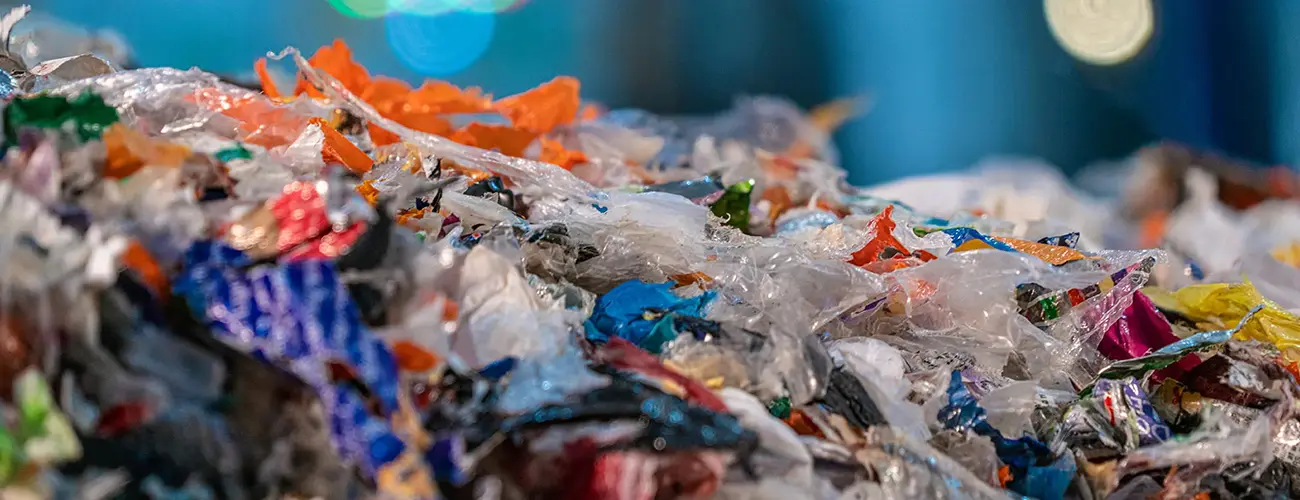
- Multi-layer composite packaging, these layers are extremely difficult to separate, and mechanical sorting equipment generally can’t pull them apart;
- Heavily contaminated agricultural film, loaded with soil, pesticide residue, and plant roots—cleaning costs simply don’t pencil out;
- Black plastics, since near-infrared spectroscopy struggles to identify black materials, so most black plastic gets rejected right at the sorting line;
- Vulcanized or cross-linked rubber-plastics, like waste cable insulation—these can’t be melt-reprocessed at all, since cross-linked structures won’t re-melt.
What Chemical Recycling Requires
Chemical recycling handles the complex plastics mechanical recycling can’t. Meanwhile, pyrolysis plant doesn’t depend on feedstock uniformity. In theory, any organic polymer can go into the reactor and convert to oil and gas. The mixed resins, composite packaging, agricultural film, and waste tires listed above are actually standard feedstock for pyrolysis equipment. But pyrolysis isn’t unconditionally accepting either. It comes with its own constraints:
- Feedstock typically needs preliminary dewatering and basic cleaning first, or it will hurt the reactor’s thermal efficiency and shorten equipment lifespan;
- Mixed feedstock with excessive chlorine content, especially PVC, will corrode equipment piping, shorten the unit’s service life, and even generate dioxin emissions;
- PET pyrolysis produces benzoic acid byproducts along, yielding almost no usable oil. The accompanying oxygen production can also pose safety hazards.
Output Quality: Where Recycled Pellets and Pyrolysis Oil End Up
Mechanical Recycling: Molecular Weight Decay Sets the Application Ceiling
The quality issue with mechanical recycling output is fundamentally a materials science problem. Every melt-processing cycle lowers the polymer’s average molecular weight, which shows up as a higher melt flow index (MFI), reduced impact strength, and yellowing. That’s the real reason plastic can only be recycled a limited number of times—it’s not that the equipment falls short, it’s that the molecular chains themselves can’t withstand repeated melting.
That said, the application path varies by resin type. Roughly ranked from lowest to highest performance loss:
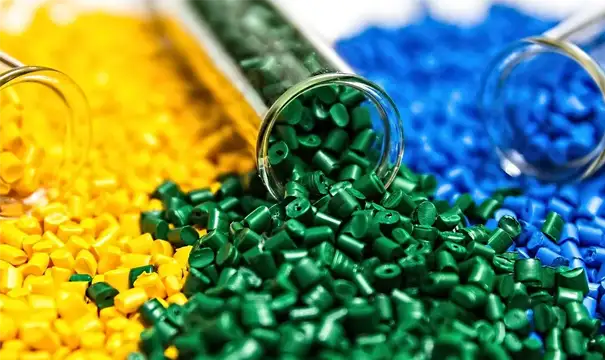
- Basic applications: Lightly contaminated, lower-degradation recycled PE/PP typically becomes logistics totes, pallets, trash bins, or flower pots—products with moderate requirements for appearance and strength.
- Modified applications: Recycled PE/PP that’s gone through multiple cleaning and modification steps can be blended in at a certain ratio for injection-molded household items, like storage boxes or stationery housings, and some can go into non-food-contact packaging.
- Fiber applications: Waste PET bottles get melt-spun into recycled polyester fiber (rPET), used for clothing fill, athletic fabric, and carpeting. Once the bottles are made into fibers, they are difficult to recycle mechanically.
Chemical Recycling: Refining Depth Determines Product Value
Pyrolysis oil can “theoretically” achieve molecular-level restoration, but whether it actually does depends entirely on which refining path it takes. Two pyrolysis projects can look identical on paper while one markets itself as “circular plastic regeneration” and the other is simply selling fuel oil—their industrial positioning and environmental value aren’t the same thing.
As a result, chemical recycling’s output is far more dispersed than mechanical recycling’s. Pyrolysis oil generally flows into three tiers based on refining depth:
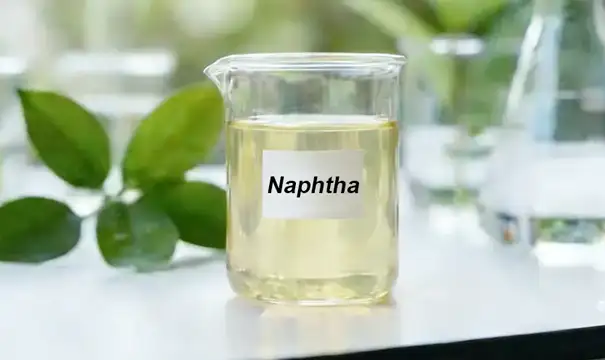
- Fuel grade: The least refined, crude pyrolysis oil, typically used directly as industrial fuel for boilers, kilns, or marine engines—this is the primary outlet for most small and mid-sized pyrolysis projects today.
- Blending grade: After fractionation and basic desulfurization/dechlorination, this can serve as a blending component in fuel oil or diesel, with purity falling somewhere between fuel grade and naphtha grade.
- Petrochemical feedstock grade: Only pyrolysis oil deeply refined to naphtha specifications can enter a petrochemical plant’s steam cracker. There, it gets repolymerized into monomers like ethylene and propylene, eventually becoming plastic again. This is the only path truly closes the loop.
Environmental and Carbon Footprint Controversy Around Chemical Recycling
Mechanical recycling’s carbon footprint is easy to calculate—shredding, washing water, and extrusion electricity use, all transparent, with no debate over whether it counts as “recycling.” Pyrolysis-based chemical recycling faces a different set of questions.
The Definition Dispute Over “Recycling”
- Material recovery vs. energy recovery: Recycling traditionally means restoring material to its original form—mechanical pelletizing qualifies. Pyrolysis output mostly burned as fuel does not; that’s energy recovery, not true material recycling.
- A single-digit reality: Research shows that among waste plastics processed through pyrolysis, the share that actually becomes plastic again is typically in the single digits, which is exactly why these projects get tagged with “greenwashing.”
- The gap between marketing and output: Industry messaging tends to emphasize “circular reuse,” but the actual product often flows toward combustion rather than material closure—two very different outcomes wearing the same label.

Is Pyrolysis Just Incineration?
- Same carbon, same destination: Track only where the carbon ends up, and the answer simplifies: whether incinerated directly or burned later as pyrolysis-derived fuel, the carbon lands as CO2 in the atmosphere either way.
- A metric beats a slogan: Rather than arguing over “pyrolysis equals incineration,” it’s more useful to track naphtha-grade yield—the portion refined enough to return to a petrochemical plant and repolymerize into plastic.
- Higher yield, more closure: The higher that naphtha yield, the more carbon genuinely flows into material closure, and the more a facility earns the right to be called something other than incineration in disguise.
Future Opportunities for Chemical Recycling

Legal Status Now Confirmed
Pyrolysis oil typically gets processed alongside virgin feedstock, so tracing the exact recycled share is hard. The industry’s standard workaround is mass balance accounting—crediting “recycled content” in proportion to the waste plastic fed into the process. But this method lacked clear legal footing until recently. In late 2025, the European Commission issued an implementing decision that, for the first time, legally recognized mass balance accounting for chemical recycling.
Certification Opens the Buyer Market
With that legal basis in place, the recycled content of pyrolysis oil can now be verified through mass balance certification schemes like ISCC PLUS, and brands can count it toward their recycled-material targets. A pyrolysis project isn’t just selling oil anymore—it’s selling a credential that counts toward a buyer’s recycled content goals, and brands are willing to pay a premium for that. This is the key step that lets chemical recycling move beyond selling plain fuel oil and find stable buyers.
Capital Is Already Moving In
Plastics Europe member companies plan to invest €8 billion in chemical recycling by 2030, across 44 projects in 13 EU countries. That plan was always contingent on mass balance accounting gaining legal standing. The late-2025 policy breakthrough removed the last major uncertainty holding that investment back. It also means the pace of chemical recycling’s next expansion phase now hinges on how quickly other countries’ regulators catch up with this certification framework.
Write in the End
In summary, mechanical recycling and chemical recycling are a matter of division of labor. Mechanical recycling processes clean, single-source materials. Its mature technology makes it the mainstay of current recycled plastic supply; chemical recycling processes other complex wastes, at the cost of higher upfront investment and more complex environmental accounting. However, policy breakthroughs have, for the first time, provided a basis for pricing and trading its “circular attributes.” In the coming years, these two approaches will most likely continue to run in parallel, rather than replacing each other.
