
A Beston Group BLJ-16 plastic pyrolysis plant is now up and running at a European renewable energy company. The unit turns the customer’s daily plastic packaging waste into fuel oil. The customer plans to use that oil for on-site power generation, so electricity costs should come down. After 15 days of commissioning, trial production passed. As a result, the customer signed the acceptance certificate.
Customer Background: Packaging Waste Meets an Energy Gap
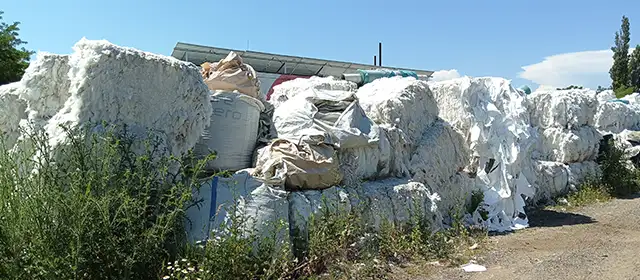
The customer works in Europe’s renewable energy sector and has bought from Chinese equipment suppliers for many years. Their site generates a continuous stream of PP and PET plastic packaging waste. At the same time, local electricity prices are high. In winter, their power supply relies mainly on summer generation, so it falls short of demand. Therefore, they wanted one solution that could handle the waste and support their energy needs.
The Starting Point:
- Steady waste output: Daily operations produce a continuous flow of plastic packaging. This waste needs a sustainable outlet.
- Seasonal power gap: Electricity is expensive locally. Because of this, winter demand outruns the summer-weighted supply.
What Pyrolysis Adds:
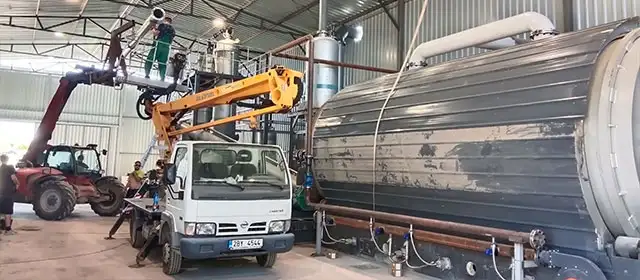
- Waste into fuel: Pyrolysis plant turns plastic waste into fuel oil. When paired with a generator set, that oil can help cover the winter power gap.
- Local feedstock for the long term: Waste plastics and end-of-life tires are available nearby at low cost. Therefore, the plant has a steady supply for continuous operation.
Equipment Configuration: BLJ-16 with Hydraulic Feeding
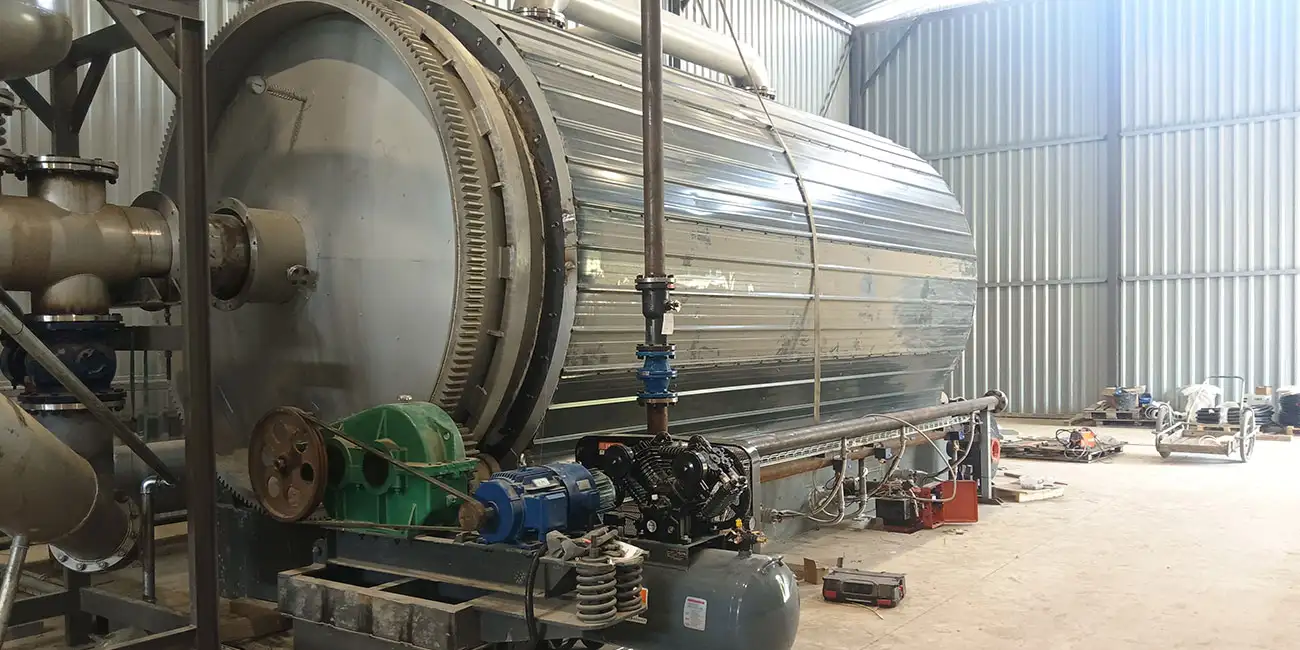
After a technical and economic comparison, the customer chose the BLJ-16 plastic pyrolysis plant with a single manifold, a hydraulic feeding system and a steam boiler. The customer’s own crew handled the installation. Then Beston sent an engineer to the site to support commissioning and trial production.
Commissioning Highlights: Quick Diagnosis, Smooth Start-Up
Two points came up during start-up trial operation of plastic pyrolysis machine, but the engineer settled both on site.
Highlight 1: Gas Line Pressure Check
During initial commissioning, the engineer’s system check found water in the pipework. The water was affecting the afterburner burner. After the engineer cleared the line, the burner worked normally. Therefore, trial production went ahead on schedule.
Highlight 2: Water Seal Alignment
The engineer inspected the water seal piping in person. Because the layout needed adjusting, the engineer walked the customer’s team through the correction. As a result, the crew gained hands-on experience with the system.
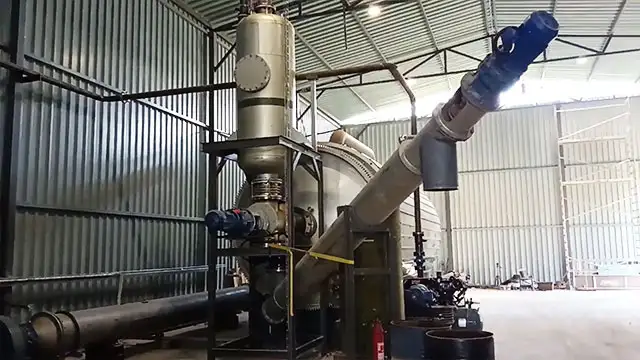
Trial Results: Steady Oil Output and On-Schedule Acceptance
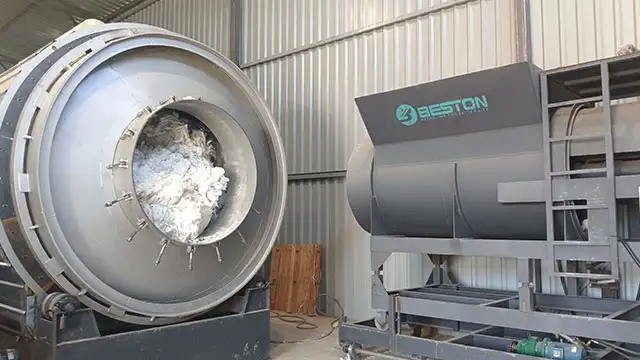
After the two points above, the BLJ-16 moved into formal trial production. Meanwhile, the Beston engineer monitored operation on site.
Trial Run Performance
The customer loaded about 2.2 tons of baled and rolled waste plastic in a single batch. The fuel oil lit easily and burned steadily. In addition, the solid residue showed no visible signs of unpyrolyzed material, so the cracking was thorough.
Acceptance and Timeline
The whole commissioning process took 15 days, which matched the original project plan. Finally, the customer confirmed on-site that the system met the agreed requirements and signed the acceptance certificate.
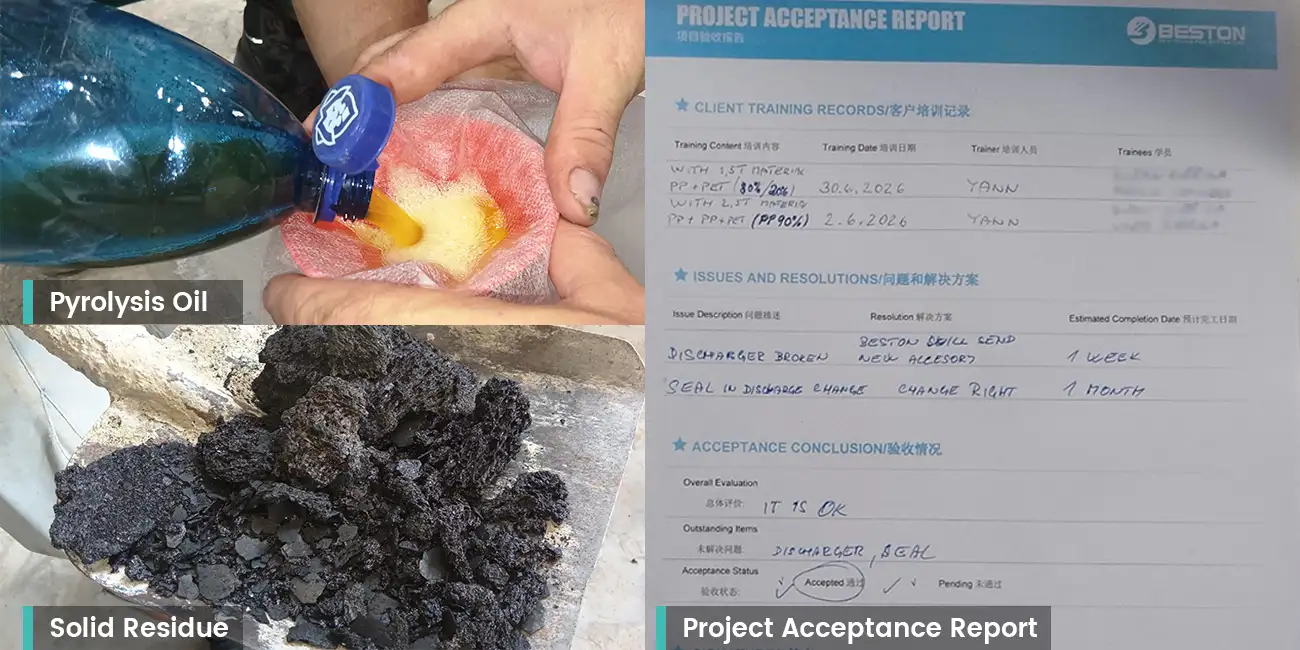
Looking Ahead: Waste Disposal and Energy Supply in One Plant
As plastic waste rules tighten around the world, this project shows how pyrolysis can handle waste disposal and energy supply together. However, every site has different waste streams, feedstock availability and end-use needs. For this reason, Beston Group designs each plastic pyrolysis solution around the specific project.
